
Fire Detection Systems for Homes, Businesses, Farms & Industry
South Africa's fire detection specialists. Every year fires cause loss of life, destroy property and shut down businesses — and the difference between a small incident and a total loss is often measured in seconds. Our fire detection systems combine early-warning smoke, heat and flame detection with AI video and thermal imaging cameras to catch a fire at its earliest stage. Aspirating (VESDA) detection protects data centres and archives. Solar-powered thermal cameras watch farms, substations and solar plants for veld fires and hot-spots. Every installation is designed to SANS 10139 and SANS 10400-T and backed by 24/7 offsite monitoring. Protect your people, property and continuity with a compliant fire detection system built for South African conditions.
Fire Risks South African Properties Face
- !Electrical fires from overloaded circuits, ageing wiring and generator or inverter installations added for load-shedding backup
- !Veld and wildfire spreading onto farms, estates, plantations and solar plants during dry, windy conditions
- !Smouldering fires in warehouses, cold storage, archives and data centres that go undetected until they escalate
- !Slow fire-service response and long travel distances, especially in rural and industrial areas
- !Non-compliance with SANS 10139 and SANS 10400-T, exposing owners to insurance and occupancy-certificate risk
How Modern Fire Detection Protects You
- ✓Very early warning — aspirating (VESDA) and AI systems detect smoke at the invisible, smouldering stage, before flames appear
- ✓AI video smoke & flame detection turns existing CCTV cameras into fire sensors, flagging smoke in seconds with far fewer false alarms
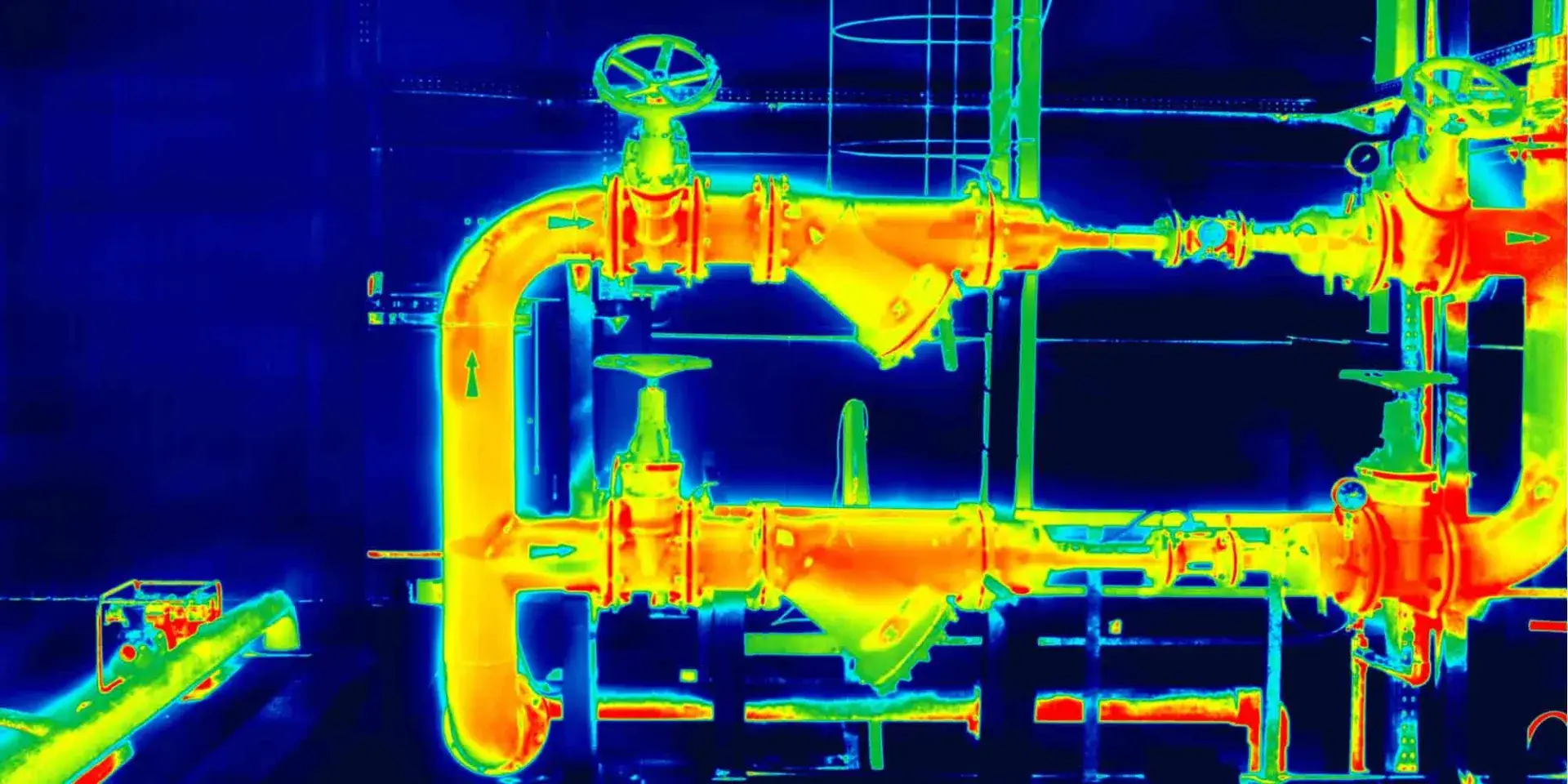
- ✓Thermal imaging cameras spot heat build-up and hot-spots on switchgear, batteries and solar panels before ignition
- ✓24/7 offsite monitoring from our own control room verifies the alarm and escalates to you and emergency services
- ✓Integration with suppression, sirens, sprinklers and access control so the building responds automatically
- ✓Solar-powered, off-grid detection that keeps watching during load-shedding and in remote locations
Why You Need a Fire Detection System
Fire Detection Systems Built for South African Conditions
Fire detection is not one product — it is a designed system matched to the building, the risk and the law. A retail store, a data centre, a paint warehouse and a remote farm each face different fire risks and each calls for a different mix of detectors. The goal is always the same: detect the fire as early as possible, warn people reliably, and trigger the right response automatically.
South African conditions add specific challenges. Load-shedding drives up the number of inverters, batteries and generators — all fire risks — while also knocking mains-powered systems offline exactly when they are needed. Rural and agricultural properties sit far from the nearest fire station and are exposed to veld fires. High-value, unmanned spaces such as server rooms and archives need to catch a fire before it is even visible.
Our fire detection systems and early-warning solutions address these realities: — Addressable and conventional fire alarm panels designed and installed to SANS 10139 — Aspirating smoke detection (VESDA) for data centres, cold storage, archives and high-ceiling spaces — AI video smoke & flame detection that adds fire sensing to your existing CCTV cameras — Thermal imaging cameras for early hot-spot detection on electrical plant, batteries and solar arrays — Long-range thermal and AI cameras for veld-fire and perimeter early warning on farms and estates — Beam, linear-heat and flame detectors for warehouses, tunnels, cable runs and industrial plant — Solar-powered, off-grid detection that stays online during load-shedding and in remote areas — Integration with suppression, sprinklers, sirens, access control and 24/7 offsite monitoring
For 59 years, CCTV Security Surveillance has protected South African homes, businesses, farms and industrial sites. We design fire detection, CCTV, access control and monitoring as one connected system feeding a single platform — so a fire event is seen, verified and acted on, day or night.
- ✓Protect life: Early detection gives occupants the extra minutes they need to evacuate safely
- ✓Protect assets: Catching a fire early limits damage to stock, equipment, records and buildings
- ✓Business continuity: Faster response means less downtime, fewer claims and quicker recovery
- ✓Legal compliance: SANS 10400-T and SANS 10139 require detection in many occupancies — needed for occupancy certificates and insurance
- ✓Lower insurance risk: A compliant, monitored and serviced system can reduce premiums and support any claim
Types of Fire Detection Systems We Install
- ✓Smoke detectors — Optical (photoelectric) and ionisation point detectors for offices, homes and general commercial areas
- ✓Heat detectors — Fixed-temperature and rate-of-rise detectors for kitchens, plant rooms and dusty or dirty environments
- ✓Aspirating smoke detection (VESDA) — Draws air through sampling pipes to detect smoke at the earliest, invisible stage — ideal for data centres, archives and cold storage
- ✓Flame detectors (IR / UV) — Detect the radiation of an actual flame in seconds — used in fuel, chemical and high-risk industrial areas
- ✓Beam detectors — Cover large open volumes like warehouses, atriums and halls where point detectors on the ceiling are impractical
- ✓Linear heat detection cable — Detects heat anywhere along a cable run of a kilometre or more — for tunnels, conveyors, cable racks and car parks
- ✓AI video smoke & flame detection — Software analytics turn CCTV cameras into fire sensors, flagging smoke and flame with reduced false alarms
- ✓Thermal imaging cameras — Detect abnormal heat and hot-spots before ignition, day or night, on electrical plant, batteries and solar panels
AI & Thermal Early Fire Detection
- ✓Detect smoke and flame in seconds — AI video detection can flag a fire in the field of view far faster than waiting for smoke to reach a ceiling detector
- ✓Fewer false alarms — AI distinguishes real smoke and flame from dust, steam, glare and moving vehicles or people
- ✓See fire through darkness and smoke — thermal cameras detect heat signatures where ordinary cameras and the human eye cannot
- ✓Predictive hot-spot alerts — thermal monitoring of switchgear, transformers, battery banks and solar arrays flags overheating before a fire starts
- ✓Long-range veld-fire early warning — wide-area thermal and AI cameras watch farm and estate boundaries for the first sign of smoke or heat
- ✓Uses your existing CCTV — in many sites AI fire analytics can be added to cameras you already own, protecting your investment
Fire Detection for Every Environment
- ✓Warehouses & logistics — Beam and thermal detection for high, open storage and racking
- ✓Data centres & server rooms — VESDA aspirating detection catches faults at the earliest stage, before hardware is lost
- ✓Farms, estates & plantations — Long-range thermal and AI cameras for veld-fire and perimeter early warning
- ✓Solar plants & substations — Thermal monitoring of panels, inverters and switchgear to catch hot-spots before ignition
- ✓Retail, offices & hospitality — SANS 10139 addressable alarm systems with clear evacuation signalling
- ✓Factories & industrial plant — Flame detectors, linear heat cable and integrated suppression for high-risk processes
- ✓Homes & estates — Interlinked smoke and heat detection integrated with alarms and remote notifications
Monitoring, Response & Suppression Integration
- ✓24/7 offsite monitoring — our in-house control room receives every fire signal and follows a documented response protocol
- ✓Alarm verification — AI and camera verification confirm real events and cut costly false dispatches
- ✓Mobile alerts — receive instant notifications and view live cameras on your phone the moment a fire is detected
- ✓Automatic response — integrate detection with sirens, voice evacuation, sprinklers, gas suppression and access-control release
- ✓Escalation to emergency services — verified events are escalated to you, on-site staff and the local fire service
Fire Detection Compliance: SANS 10139 & SANS 10400-T
- ✓SANS 10400-T — Part T of the National Building Regulations sets the fire-protection requirements local authorities, fire inspectors and insurers use to assess a building
- ✓SANS 10139 — The standard for the design, installation, commissioning and maintenance of fire detection and alarm systems in buildings
- ✓Designed by competent persons — Systems must be planned and installed by competent persons, as the standards require
- ✓Six-monthly servicing — Fire detection systems must be serviced regularly (typically every six months) to remain compliant and reliable
- ✓Certification & audit trail — We provide the documentation, as-builts and service records your occupancy certificate and insurer require
Industries We Serve
Warehouses & Logistics
Challenge: Slow-smouldering fires in racking, packaging and cold storage that go undetected until they spread
Outcome: Interconnected smoke/heat/CO detectors + CCTV verification = fires caught at the smoke stage, stock and continuity protected
Data Centres & Server Rooms
Challenge: Electrical fires in dense equipment where even minutes of delay mean catastrophic data and hardware loss
Outcome: Heat, smoke and CO sensing with 20-second interconnected sirens = very early warning before flames develop
Farms & Plantations
Challenge: Veld and wildfire risk across large, remote, often off-grid land with slow fire-service response
Outcome: Solar-powered thermal cameras = hot-spots and veld fires spotted early and escalated 24/7
Factories & Industrial
Challenge: Overloaded circuits, hot machinery and process heat creating constant fire risk across large sites
Outcome: Thermal + AI detection linked to suppression = heat build-up flagged before ignition, downtime avoided
Implementation Process
Risk Assessment (Week 1)
Site survey and fire-risk analysis: identify ignition sources, high-risk zones, compliance requirements and detection technology per area
Design (Week 2)
System design to SANS 10139 and SANS 10400-T: detector selection and placement, AI/thermal camera zones, suppression and monitoring integration
Installation (Weeks 3-4)
Professional installation and commissioning: detectors, panels, cabling, AI and thermal cameras, solar power where required, and testing to standard
Handover & Monitoring (Week 5)
Staff training, certification, and integration with our 24/7 control room for verified alerts and escalation to emergency services
Why Trust CCTV Security Surveillance
- ■SAIDSA registered installer - systems designed and installed to South African standards
- ■Designed to SANS 10139 and SANS 10400-T for insurance and occupancy compliance
- ■Operating since 1967 - nearly six decades protecting South African businesses
- ■50,000+ cameras and devices deployed and monitored across the country
- ■PSIRA registered and POPIA compliant
- ■24/7 in-house control room - we monitor the detection we install
Fire Detection for all industries
Fire Detection is applicable across all business sectors:
Fire Detection across South Africa
We provide fire detection services in all major South African markets:
54 locations · swipe or use the arrows to see more
Fire Detection FAQ
Select a category below to browse answers about fire detection in South Africa
Choose a category above to view answers.
FireProtect 2 is a range of wireless fire detectors that combine smoke, heat and carbon-monoxide (CO) sensing in a single device. Variants are available with replaceable batteries, sealed batteries or mains power, and EN 54-certified addressable versions are available for commercial and industrial sites. Wireless installation avoids disruptive cabling and retrofits neatly into occupied buildings.
FireProtect 2 uses a dual-spectrum optical sensor and the HazeFlow algorithm, which analyses particle size to distinguish real smoke from steam and dust. Combined heat and CO sensing adds further confirmation, so nuisance alarms from kitchens, bathrooms and industrial processes are dramatically reduced without missing genuine fires.
The built-in sirens across every interconnected detector sound together within 20 seconds of a fire, with detector-to-detector fallback propagating the alarm within a minute if the hub connection drops. At the same time you receive a real-time app notification naming the exact device, its location and the time - and, where CCTV is integrated, the alarm is verified on camera and escalated by our control room.
Every installation is designed and installed to SANS 10139 (fire detection and alarm system design) and SANS 10400-T (the National Building Regulations fire-safety requirements), using EN 54-certified Ajax devices. Compliant systems are essential for insurance cover, occupancy certificates and audit sign-off.
Yes. We integrate fire detection with your wider CCTV, access control and offsite monitoring platform, so a fire alert is confirmed visually on camera and escalated to our 24/7 in-house control room and emergency services automatically. Automatic self-testing and low-battery warnings 30+ days ahead of discharge keep the system audit-ready.
A fire detection system is a network of detectors - smoke, heat, flame, aspirating, or AI and thermal cameras - connected to a control panel and alarm devices. It continuously senses the earliest signs of a fire, such as smoke particles, rising heat or flame radiation, and automatically raises the alarm so people can evacuate and responders can act.
Modern systems do far more than sound a siren: they pinpoint the exact zone in alarm, notify a 24/7 monitoring centre, send alerts to your phone, and can trigger suppression, sprinklers and door releases automatically. Every system we install is designed to SANS 10139 and matched to the specific risk of your building.
The main types are smoke detectors (optical and ionisation), heat detectors (fixed-temperature and rate-of-rise), flame detectors (infrared and ultraviolet), aspirating smoke detection (VESDA), beam detectors, linear heat detection cable, and AI video and thermal imaging cameras.
The right mix depends on the building, ceiling height and hazard. A data centre needs very early aspirating detection; a warehouse suits beam or thermal detection over its high, open volume; a fuel or chemical area needs flame detectors; and farms and estates use long-range thermal and AI cameras for veld-fire early warning. We specify the correct blend after an on-site assessment.
Aspirating smoke detection continuously draws air through a network of small sampling pipes and analyses it, so it can detect smoke at the invisible, smouldering stage - long before a standard point detector would react. VESDA (Very Early Smoke Detection Apparatus) is the best-known brand.
This head start is critical in high-value or unmanned spaces such as data centres, server rooms, cold storage and archives, where even a small amount of smoke can mean serious loss. Aspirating systems also perform well in high ceilings and difficult airflow environments where ceiling-mounted detectors are ineffective.
AI fire detection uses camera analytics to recognise the visual signature of smoke and flame in a live video feed. It can flag a fire within seconds - often before smoke reaches a ceiling-mounted detector - and works across large open areas that point detectors cannot cover.
Crucially, machine learning lets the system tell real smoke and flame from dust, steam, glare, exhaust and moving vehicles or people, which dramatically reduces false alarms. In many sites, AI fire analytics can be added to CCTV cameras you already own, turning existing surveillance into an early-warning fire layer.
Yes. Long-range thermal and AI cameras detect the heat and smoke of a veld fire from a distance - in many cases kilometres away - giving farms, estates, plantations and solar plants critical early warning to act before the fire reaches buildings, livestock or crops.
Thermal cameras see heat through darkness and light smoke, while AI analytics confirm a genuine smoke plume and cut false alerts. Paired with solar power and 24/7 monitoring, these systems keep watching remote boundaries around the clock, even off-grid.
Yes. All our fire detection systems are designed with battery backup so the panel and detectors keep operating through power outages - exactly when electrical faults and opportunistic risk are highest.
For remote or off-grid locations, solar-powered thermal and AI cameras provide round-the-clock detection with no reliance on Eskom. Surge and lightning protection is fitted on outdoor cable runs as standard to protect the system through unstable supply.
Yes. We design fire detection, CCTV, access control and monitoring as one connected system feeding a single platform - so a fire event is detected, visually verified on camera, and acted on immediately.
Detection can automatically trigger sirens, voice evacuation, sprinklers or gas suppression, and release access-controlled doors for safe escape, while our 24/7 offsite control room verifies the event and escalates to you and emergency services.
Cost depends on the size of the property, the type of detection and the level of monitoring - there is no fixed price. A small addressable alarm panel for an office differs greatly from a VESDA aspirating system for a data centre or a long-range thermal camera array for a farm.
Rather than quote a package price blind, we carry out a free on-site fire risk assessment, then provide a fixed, itemised quote covering the panel, detectors, installation, commissioning and any monitoring - so you pay for the protection your building actually needs.
The biggest cost drivers are the type and number of detectors (standard smoke and heat vs aspirating, flame, thermal or AI cameras), the size and layout of the site and the cabling or civil works required, and whether the system is addressable or conventional.
Other factors include backup power for load-shedding, integration with suppression, sprinklers, access control or existing CCTV, connectivity for remote or off-grid sites, and the level of monitoring and maintenance you choose. Compliance requirements under SANS 10139 and SANS 10400-T also shape the final specification.
If you choose 24/7 offsite monitoring, it is charged as a monthly subscription in addition to the once-off installation. Our control room receives every fire signal, verifies it, and escalates to you and emergency services - far faster and more reliable than an unmonitored siren.
Many clients also take a maintenance contract covering the six-monthly servicing required under SANS 10139, along with call-outs, detector testing and parts. We provide clear pricing for both as part of your quote.
In many occupancies, yes. SANS 10400-T (Part T of the National Building Regulations) sets the fire-protection requirements that local authorities, fire inspectors and insurers use to assess a building, and it requires fire detection and alarm systems in a wide range of building types and sizes.
A compliant system is often a condition of your occupancy certificate and insurance cover. We assess your building against the relevant standards and advise exactly what detection is required to make it compliant.
Fire detection systems must be serviced regularly - typically every six months - in line with SANS 10139. Regular servicing keeps the system reliable, ensures detectors and the panel are working, and preserves your compliance and insurance cover.
We offer scheduled maintenance contracts that cover the required servicing, detector and battery testing, firmware updates and prompt call-outs, along with the records your insurer and fire inspector may request.
Yes - for most commercial and industrial buildings, proof of a compliant, properly maintained fire detection system is required for your occupancy certificate and to keep your insurance valid. Insurers may reject or reduce a claim if the system was non-compliant or unserviced.
On completion we provide the certification, as-built documentation and service records that satisfy SANS 10139 and SANS 10400-T, giving you a complete audit trail for authorities, insurers and any investigation.